
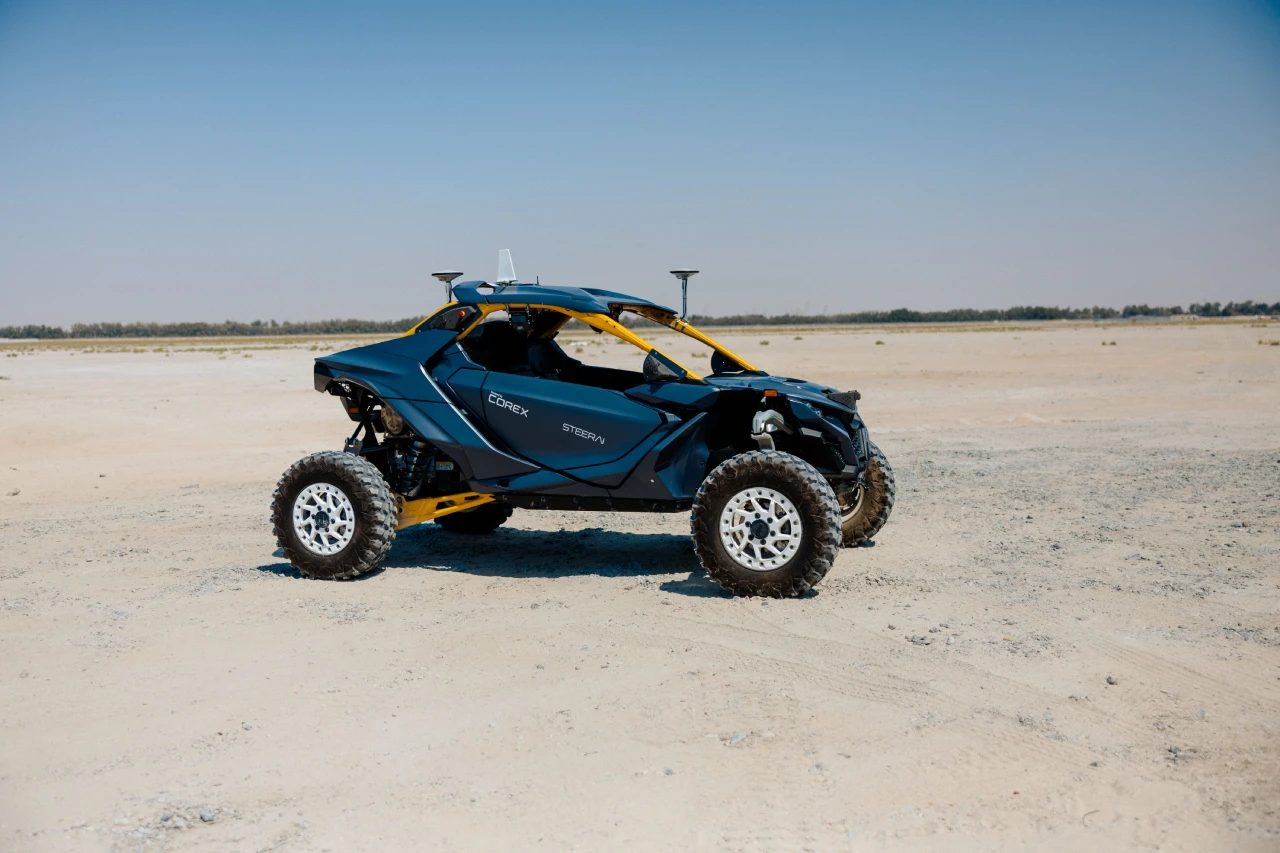
Janna Katan, Head of Product, SteerAI
When people hear the word autonomy, they often imagine sleek self-driving cars navigating city streets.
But autonomy is much broader. It spans multiple industries, each with its own challenges, opportunities, and measures of success.
The question then isn’t just “can it drive?” but “what value does it create, and how do we know it is working?”
In consumer markets, autonomy focuses on everyday use cases such as commuting and urban driving. Applications range from robotaxis in city centers to autonomous shuttles serving corporate campus or airports.
In these markets, product teams prioritize comfort, trust, and compliance with traffic laws.
If passenger autonomy is about moving people, logistics autonomy is about moving goods. Self-driving trucks and last-mile robo-vans promise to reduce delivery costs and make supply chains more robust. They also help address driver shortages.
For logistics providers, the focus is less on comfort and more on efficiency and seamless integration with existing systems. In this space, product teams must balance technical readiness with operational realities like the need to coordinate fleet deployment and scheduling.
But as we’ve mentioned, autonomy doesn’t stop with roads.
In fact, some of the most transformative applications of autonomy are happening off the road, in industries such as mining, agriculture, and construction.
When off the road, the product mandate shifts dramatically. Instead of optimizing for passenger comfort or traffic rules, the challenge is to design systems that can handle unpredictable environments and mission-critical operations.
For example, mining operators care about uptime, safety, and throughput, and farmers value reliability across weather, soil, and crop cycles.
The value autonomy creates in off-road environments is clear: replacing human operators in remote, hazardous, or repetitive tasks delivers immediate value, such as reduced downtime in mining, higher yields in agriculture, and fewer safety incidents on construction sites.
These outcomes strengthen the business case and accelerate adoption. They also show that autonomy is moving from experimentation to implementation, driven by operational impact and clear returns.
This clarity around value redefines the role of product leaders in off-road autonomy. It’s less about persuading consumers to trust the technology and more about proving reliability to enterprise customers who cannot afford failure.
Beyond technical milestones, the strongest roadmaps are anchored in use cases and outcomes. Success comes from translating operational needs into technical requirements and building systems that deliver reliable value at scale.
Autonomy’s true power lies in turning complex systems into dependable tools that solve real problems and create measurable impact.
The companies that will win are those that treat autonomy as an experience designed around outcomes, because in the end, it isn’t about replacing drivers, but about redefining performance.
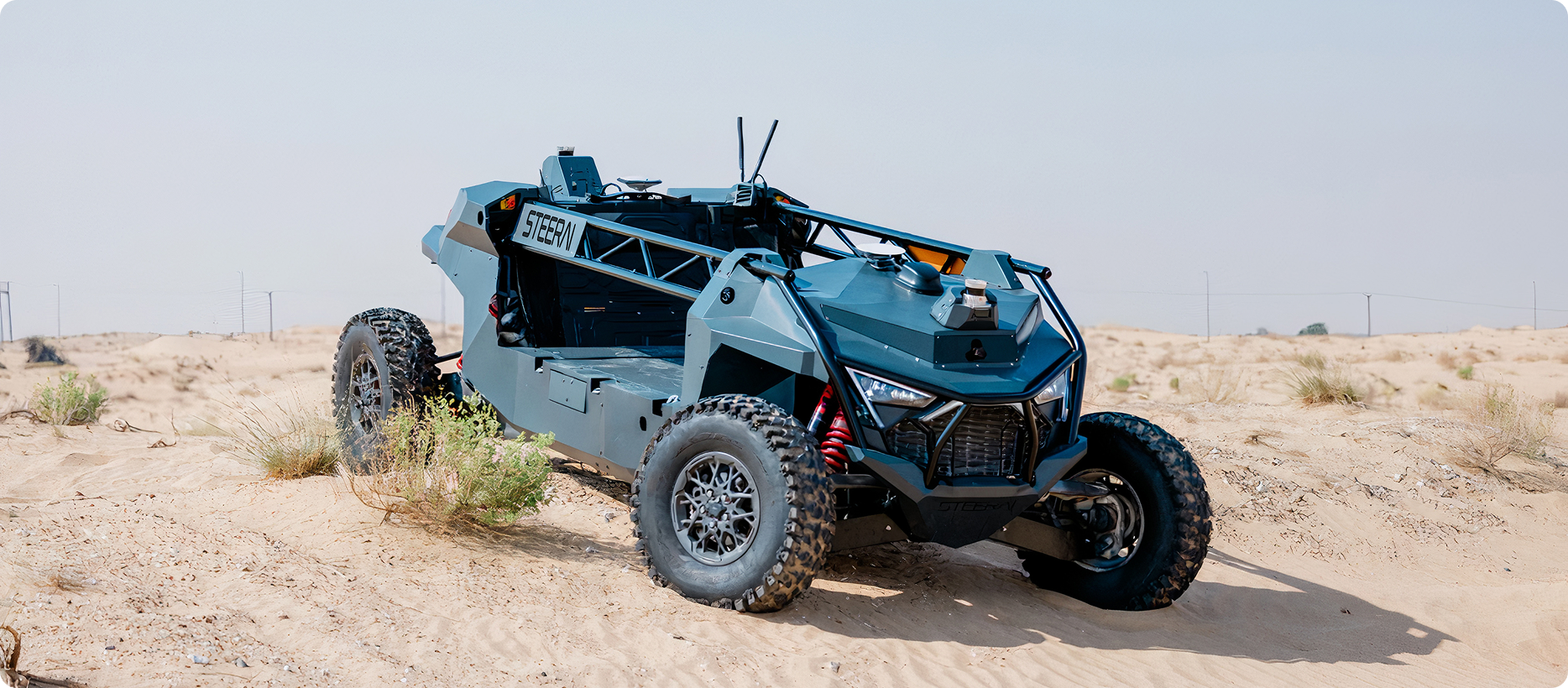
SteerAI is designed to turn standard industrial and defense vehicles into autonomous machines that can handle complex opearations.